

THE AUTONOMOUS REGION OF BOUGAINVILLE
The Autonomous Region of Bougainville has two main islands, Buka and Bougainville, plus a scattering of smaller islands and atolls. Bougainville is located north east of mainland Papua New Guinea and was formerly known as the North Solomons Province.
Bougainville has been known for its picture-perfect beaches and bays since French explorers started spreading stories of its beauty, almost 200 years ago. Bougainville has 685 km of coastline and 240,000ha of shallow reefs teeming with life from brightly-coloured tropical fish to lazy turtles. Alongside untouched white-sand beaches, Bougainville offers a diverse variety of land features, including dense forests, towering volcanoes, wild rivers and plunging waterfalls, giant caves, all just waiting to be explored!
The main Island of Bougainville hosts numerous peaks of dormant and active volcanoes. Standing at 2715 metres above sea-level, Mt. Balbi is Bougainville’s highest peak, with many others offering great vistas of the Solomon Sea and South Pacific Ocean. Benua Cave, on the Keriaka Plateau, is a great site to explore and is one of the world’s largest caves.
Buka Island is relatively small in size but offers numerous attractions, from secluded beaches to WWII relic sites. Mt Bei is Buka Island’s highest point at 485m.
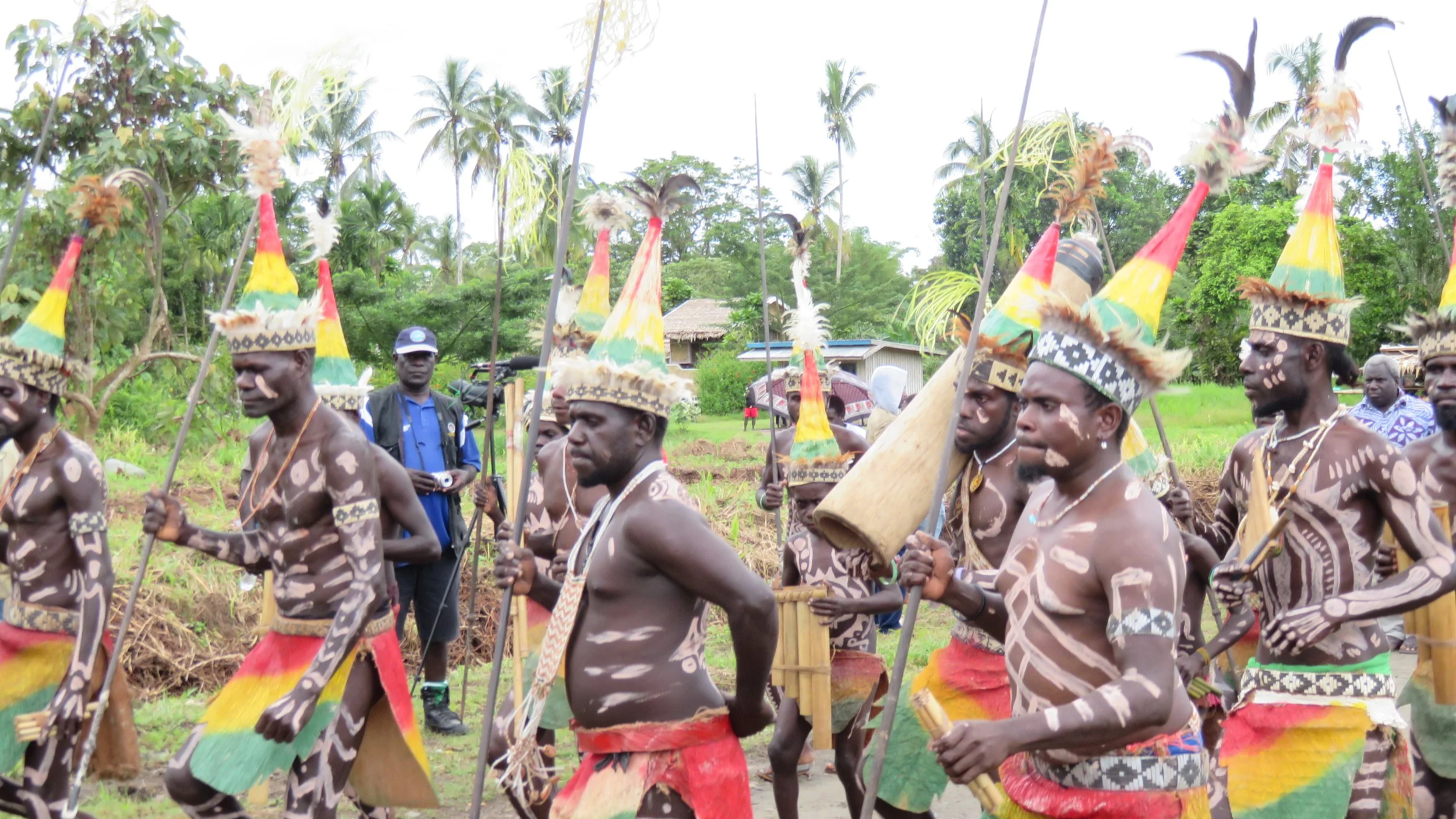
PEOPLE AND CULTURE
Bougainville possesses a unique and rich culture that varies region to region. Bougainville's culture is deeply spiritual and connected to nature (in fact, 23 languages are spoken throughout Bougainville). Featured on the Bougainville flag is a tall headdress, known as Upei. The Upei is worn by young men at their initiation and marriage ceremonies of some clan groups.
Bougainville’s culture is kept alive in the form of traditional rituals surrounding birth, death, marriage, reconciliation and initiation. Cultural events still take place throughout Bougainville and are a great way to see and experience Bougainvillean tradition.
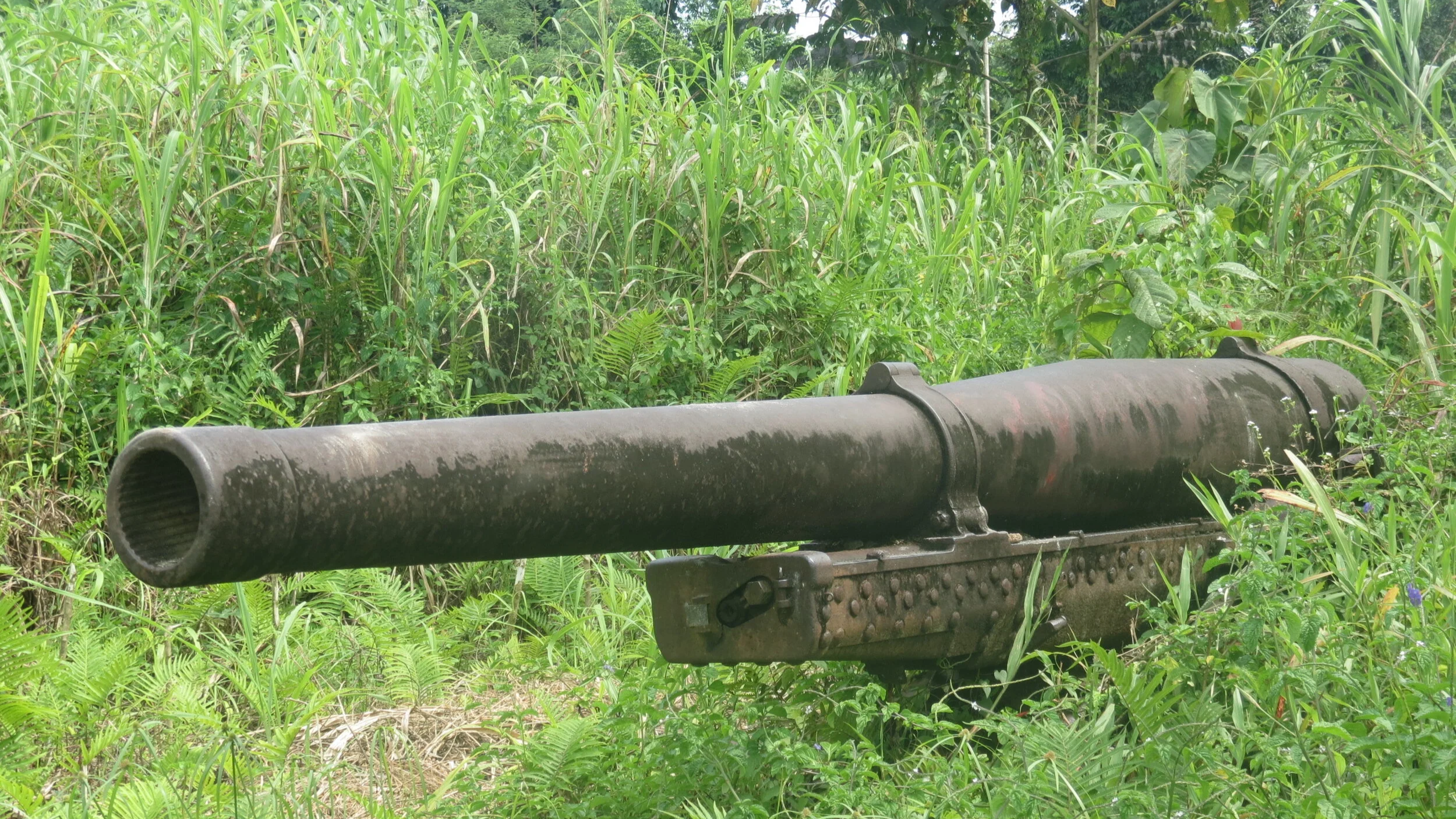
WWII
Bougainville played a significant role in the War in the Pacific during the course of WWII. Bougainville was occupied by Australian, American and Japanese forces. It was also an important base for the RNZAF and USAAF. On 8 March 1944, American forces were attacked by Japanese troops on Hill 700 on Bougainville Island. The battle lasted five days, ending with a Japanese retreat. The many battles left relics scattered throughout Bougainville, some still waiting to be discovered!
In a remarkable postscript to WWII, some discarded weapons were found and restored by BRA fighters in the 1990s to be used again in the crisis!
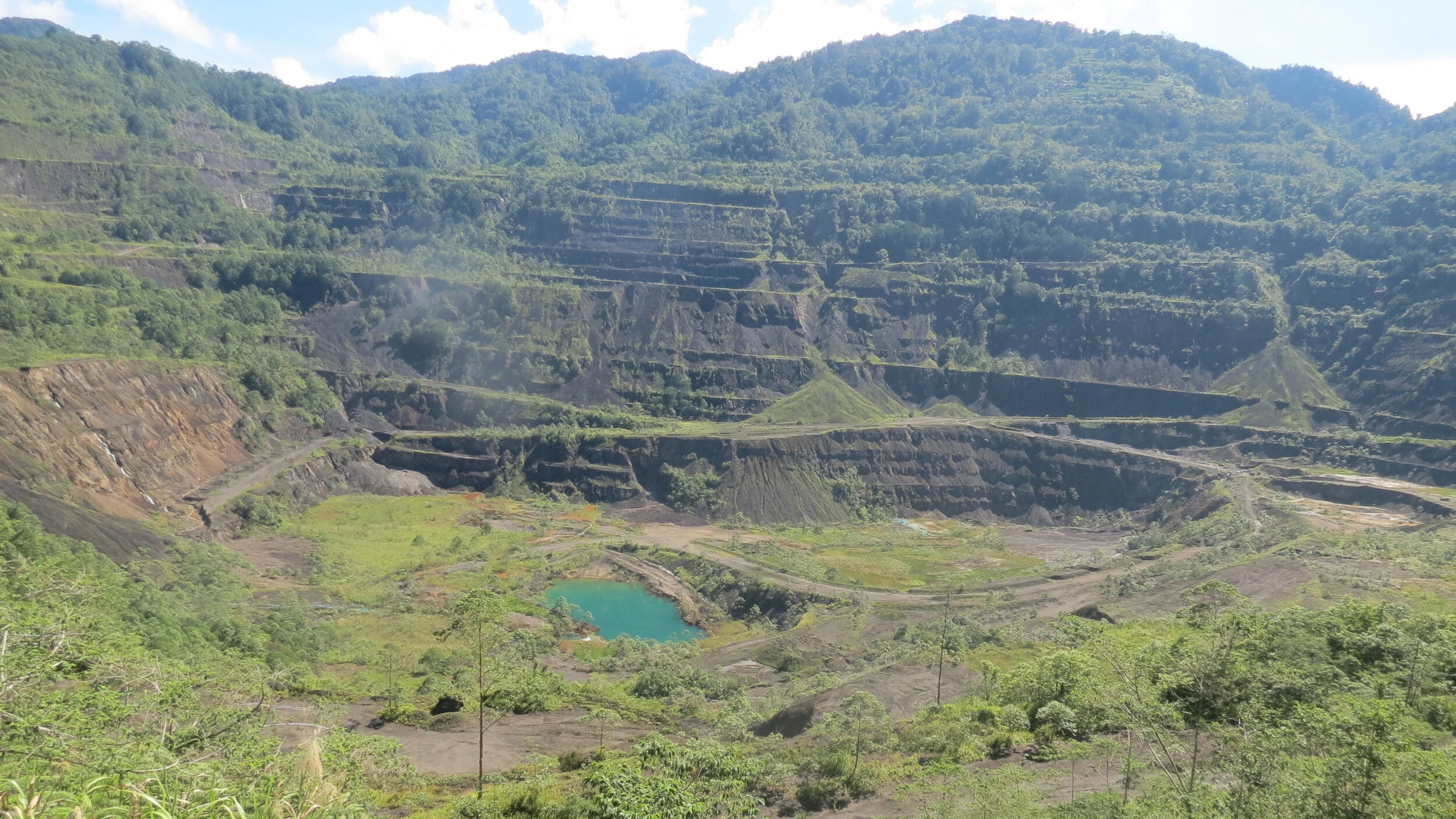
THE CRISIS
Bougainville Island is rich in copper and gold and a large mine was established at Panguna in the late 1960s by Bougainville Copper Limited (BCL), a subsidiary of Conzinc Rio Tinto of Australia. Disputes over the environmental impact, financial benefits, and social change brought by the mine sparked a secessionist movement. In 1988 the Bougainville Revolutionary Army (BRA), a faction of aggrieved landowners, increased their activity for Bougainville to stop the mine and push for independence. PNG Prime Minister Sir Rabbie Namaliu ordered the Papua New Guinea Defence Force (PNGDF) to stop the rebellion, and the ensuing conflict escalated into a civil war. The PNGDF retreated from permanent positions on Bougainville in 1990, but continued military action. The Crisis, which included a blockade to prevent essential supplies such as medicine from reaching the Island, claimed an estimated 15,000 to 20,000 lives and ended in 1997 with negotiations brokered by New Zealand.
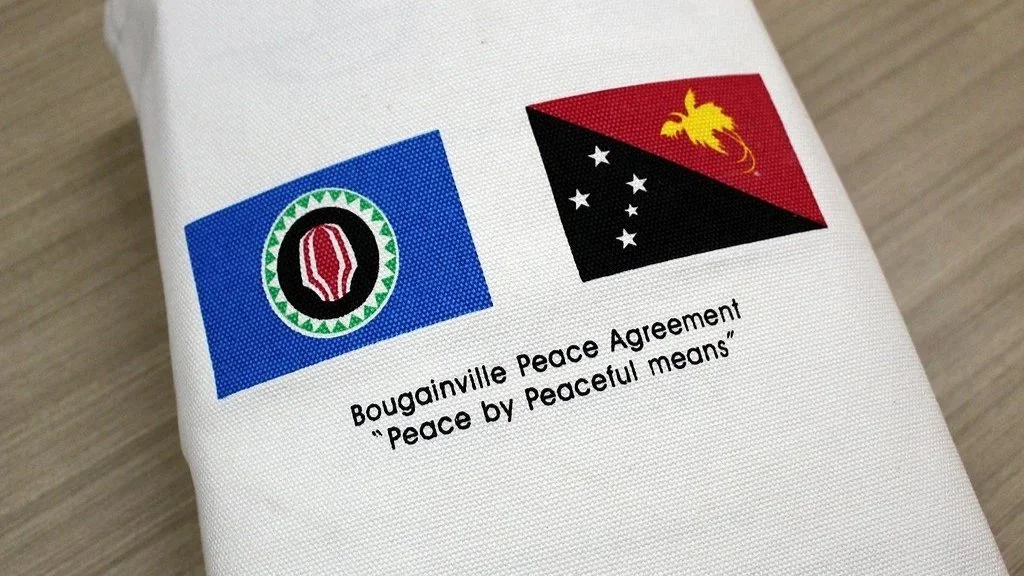
The 2001 Peace agreement
The Bougainville Peace Agreement was finalised in 2001. It is widely regarded as one of the most successful post-conflict peace processes in the Pacific. It had three key provisions:
Autonomy: It provided for the creation of the Autonomous Region of Bougainville with its own government (ABG) controlling most internal affairs.
Weapons Disposal: a phased programme to destroy weapons from the conflict overseen by the UN.
Referendum Guarantee: Bougainville was guaranteed that a referendum on independence would be held within 10 to 15 years.
The 2019 Referendum
A referendum was held in 2019, with 97.7% of respondents voting in favour of independence from Papua New Guinea. The result was non-binding, and needs ratification by Papual New Guinea’s national Parliament. Both the government of Papua New Guinea and the Autonomous Bougainville Government are now working towards independence. Bougainville leaders are continuing self-government preparations with a Declaration of Independence planned for 2030.